Overhang-Moment-Arm-Calculation
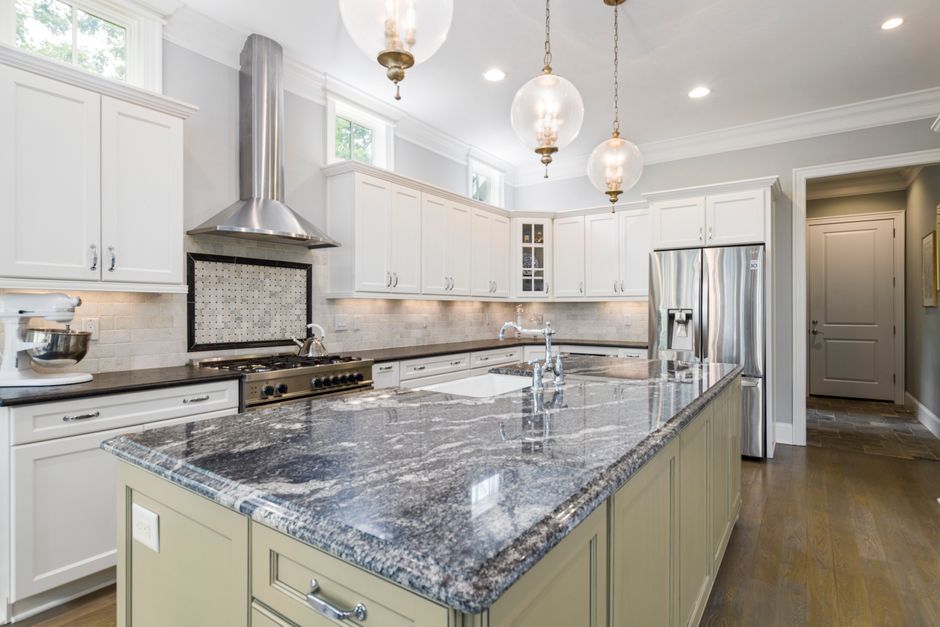
The labor cost depends on the weight of the slab. The measurements provided by custom countertops rancho cucamonga alone in the kitchen allow for a precise calculation of the torque exerted on the cabinet carcass during installation in Rancho Cucamonga, CA. A heavy quartz or granite work surface requires a strict adherence to the physics of leverage. A simple overhang measurement fails to account for the center of gravity during the lifting phase.
Calculating the Pivot Point
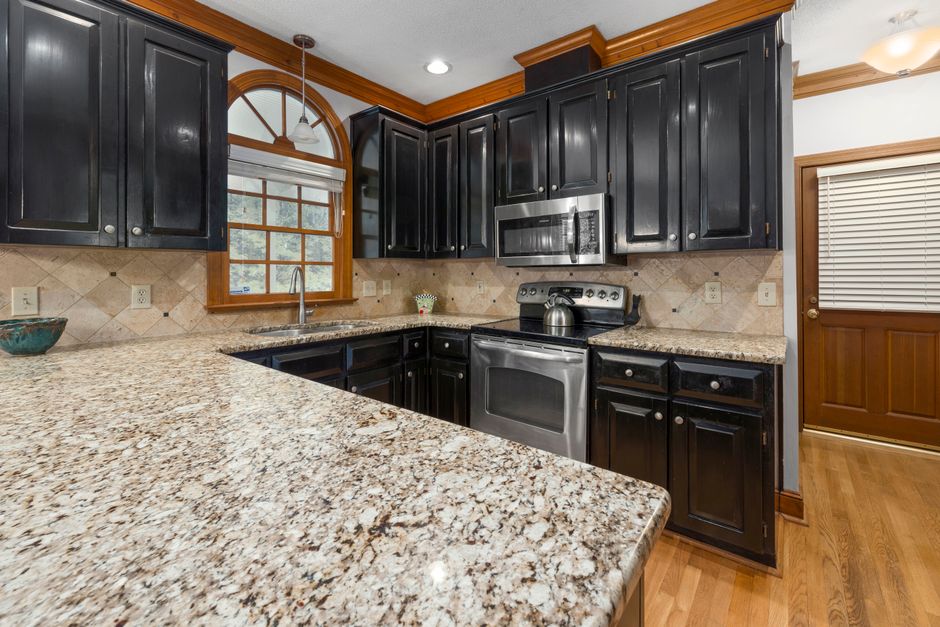
The pivot point exists at the edge of the cabinet box. Every inch of granite or quartzite extending past this point creates a rotational force. This force is the product of the weight of the stone and the distance from the cabinet edge. A heavy slab will tip the cabinet forward if the counterweight of the base cabinets is insufficient. A digital template provides the exact dimensions needed to find this balance. A mistake in the math leads to a cracked seam or a failed installation.
Support Requirements for Large Overhangs

Any overhang exceeding twelve inches requires mechanical support. Steel brackets or heavy duty corbels must be anchored into the framing. A slab of marble is particularly sensitive to tension. If the support is not placed close enough to the edge, the stone will snap under its own weight. Using a remnant for a small island might seem safe, but the density of the material remains the same. Support must be rated for the specific load of the stone type.
Seam Placement and Structural Integrity
A seam placement near a sink cutout changes the load distribution. An undermount sink cutout removes material, which alters the weight at that specific point. This creates a localized change in the moment arm. A seam must be positioned so that the leverage does not pull the joint apart. If a waterfall edge is part of the design, the vertical stone adds significant weight to the floor load. This weight must be accounted for in the total calculation of the overhang torque.
Material Density and Weight Factors
Porcelain is lighter than granite, but it is also more brittle. A porcelain slab requires different support spacing than a solid surface or butcher block. The thickness of the material dictates the strength of the edge profile. A bullnose or an eased edge does not change the weight, but the total mass of the slab determines the required bracket strength. Every piece of stone is unique in its weight. Calculations must rely on the actual weight of the specific slab being installed.